Cartagena Day Tours
I’m Serious Day Tour Man AI, your day trip expert. Ask me anything — where to go, how to get there, and what’s actually worth your day.
Cartagena’s day trips run to water and history in unequal measure: the Rosario Islands’ reef archipelago an hour offshore — sorted below by format, because the same label covers everything from bliss to bedlam — a mud volcano audited as the cheerful gimmick it is, and, most importantly, San Basilio de Palenque: the first free Black town in the Americas, an hour inland, whose visit outranks every beach on this coast for travelers who want the real history.
The city section covers the walled city’s heat rules, the vendor calibration, and the fruit-lady photo economy, all honestly.
Here’s what’s worth a day, with real times and honest trade-offs.

Popular Day Trips
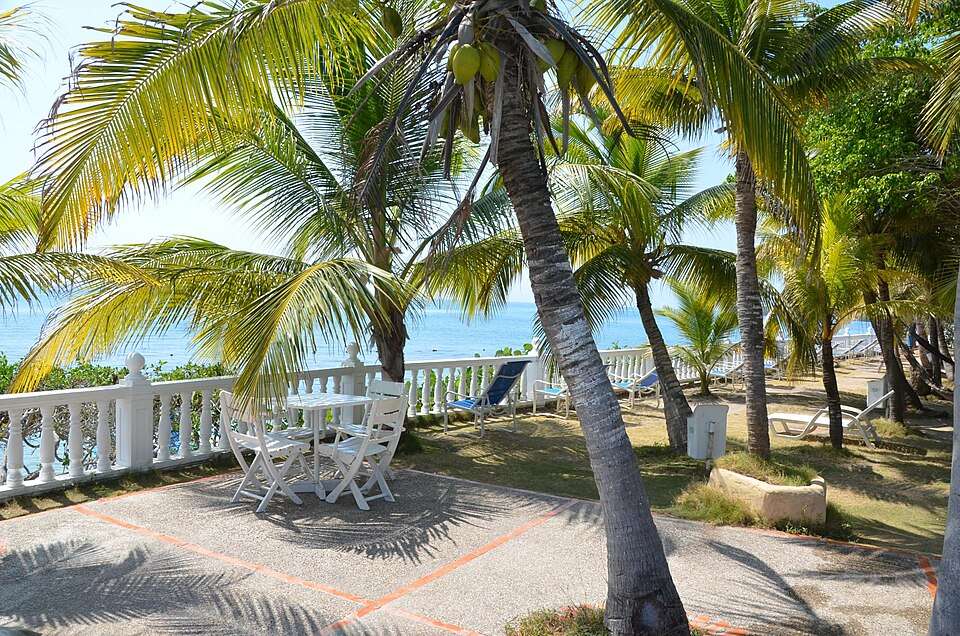
Rosario Islands
The Boat Confirmation, the Park Fee
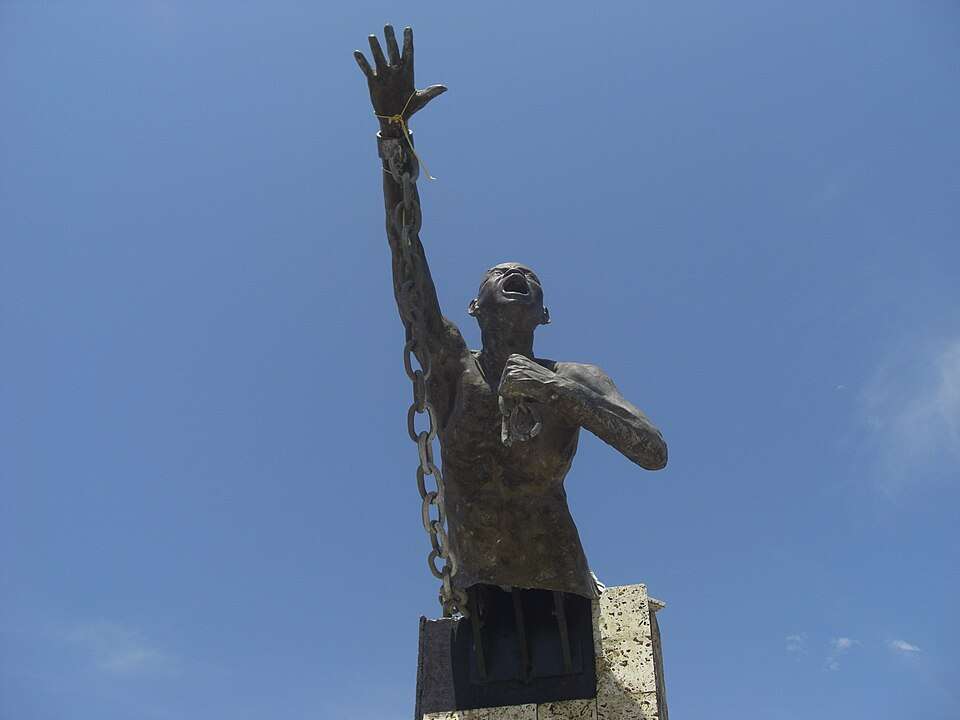
San Basilio de Palenque
The First Free Town, a Language of Its Own
The Rosario Islands — The Beach-Club Sort
The essential water day needs sorting by product, because the brochures blur three different things under one name. The Islas del Rosario — the coral archipelago inside a national natural park, an hour by lancha from the La Bodeguita dock — runs three formats.
The beach-club day pass is the reliable one: a named club on Isla Grande or Barú, booked as one package of boat transfer, lounger, lunch, and managed swimming. This is the honest recommendation for most visitors. The multi-island “tour” is the budget product wearing the same island names: crowded lanchas looping an aquarium stop and a packed beach, delivering a fraction of the day. Private boats split the difference for groups.
Fair warning: the sea state is real, so take morning departures and medicate if you’re prone. The “included lunch” quality tracks the price exactly. The snorkeling runs decent, not postcard — the reef has suffered. And the booking rule is to name the specific club, never “Rosario tour.” The upgrade is the overnight: the island eco-hotels after the day boats leave, which unlock the bioluminescent-plankton night swims day-trippers never see.
Read the full The Rosario Islands day-trip page.
Playa Blanca & Barú — Priced Honestly
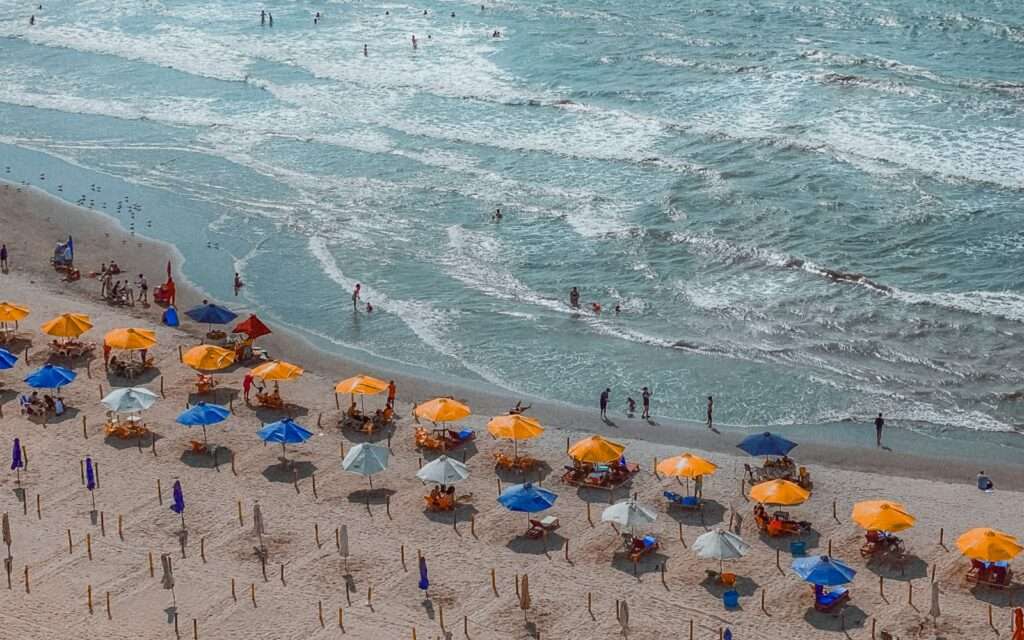
Playa Blanca, the white-sand strip of every Cartagena search result, is genuinely beautiful sand attached to an honest warning: this is the coast’s most saturated beach economy. The massage-oyster-cocktail-jetski vendor circuit runs relentless at midday. The calibration: a firm, smiling “no, gracias” on repeat is the entry fee, and everything offered has a price to confirm before accepting — the “free” massage sample and the unpriced oysters are the classic mechanisms.
The formats: day-pass beach clubs at the strip’s far ends buy relative calm. The bridge made Barú drivable, so arriving by road before 9 a.m. beats the boat waves entirely. And note the park rule: boats from Playa Blanca don’t serve the other island sectors, so don’t plan to island-hop from here. The overnight-in-a-hammock version, after the day crowds leave, is the backpacker classic that still works — and the sunset is its reward.
The verdict: go early, go to the ends, price everything first — or take the Rosario club format above, which satisfies the same appetite with management.
San Basilio de Palenque — The History That Outranks the Beach
An hour inland sits the most important visit on this coast. San Basilio de Palenque — founded by Benkos Biohó and escaped enslaved people in the early 1600s — is the first free Black town in the Americas, UNESCO-listed for a living culture that includes its own language: Palenquero, the hemisphere’s only Spanish-based creole with Bantu roots.
Book the community-run tours; they are the only version worth taking. Local guides walk you through the town’s music — the champeta and drum traditions taught in its cultural schools — the statue of Benkos breaking his chains, the hair-braiding traditions that once encoded escape routes, and the kitchens whose sweets economy supplies the cocadas the famous palenquera women sell on Cartagena’s plazas. The connection between the village and those city vendors completes itself in person.
This is living heritage hosted by its owners: arrive as a guest, photograph by permission, and spend where the community directs. Count the honest cost — a half day of content wrapped in two hours of road, with serious inland heat — and know that travelers who make the trip consistently rank it above every beach day on this coast.
Read the full San Basilio de Palenque day-trip page.
The Mud Volcano — A Cheerful Audit
Volcán del Totumo, an hour northeast, gets the honest audit. It’s a 15-meter mud cone whose crater holds a dense grey slurry you climb into and float on — buoyant, absurd, and photographed from the rim by everyone you came with — followed by a rinse in the lagoon below.
The local economy attaches a small tip at each step: the in-mud massage, the photo-holding, the rinse assistance. Bring small bills, expect three or four tips, and the total stays modest when you price it knowingly.
Stated plainly: it is a gimmick — a genuinely fun, entirely staged one-hour experience dressed up in geology. The mud diapirism is real; the therapeutic claims are theater. It works exactly on those terms for groups and families in the mood, and travelers protective of their dignity or their swimwear (the mud stains — wear a sacrificial suit) skip it without loss. Tours stack it with a lagoon or beach rinse and lunch. Judged on its own terms, it passes.
La Boquilla & the Mangroves — The Gentle Alternative
Twenty minutes north, La Boquilla is the low-key counterweight: a fishing village on the sandbar between the sea and the ciénaga, whose signature is the mangrove canoe tour. Local fishermen pole dugouts through the tunnel channels of the swamp — herons, crabs, the green-tunnel photograph, and a cast-net demonstration — and the economics are the right kind: village guides, village boats, and a fried-fish-and-coconut-rice lunch at the family kiosks to finish.
The add-ons: the kitesurf schools on the village beach run the coast’s best-value lessons, with structural trade winds December through April. Know that the village beach itself is local-real rather than postcard — the visit is the culture and the mangroves, not the sand.
Half a day. Mornings for birds, late afternoons for light. It’s the great cheap day almost nobody books.
The Walled City, the Heat Rules & Cartagena Itself
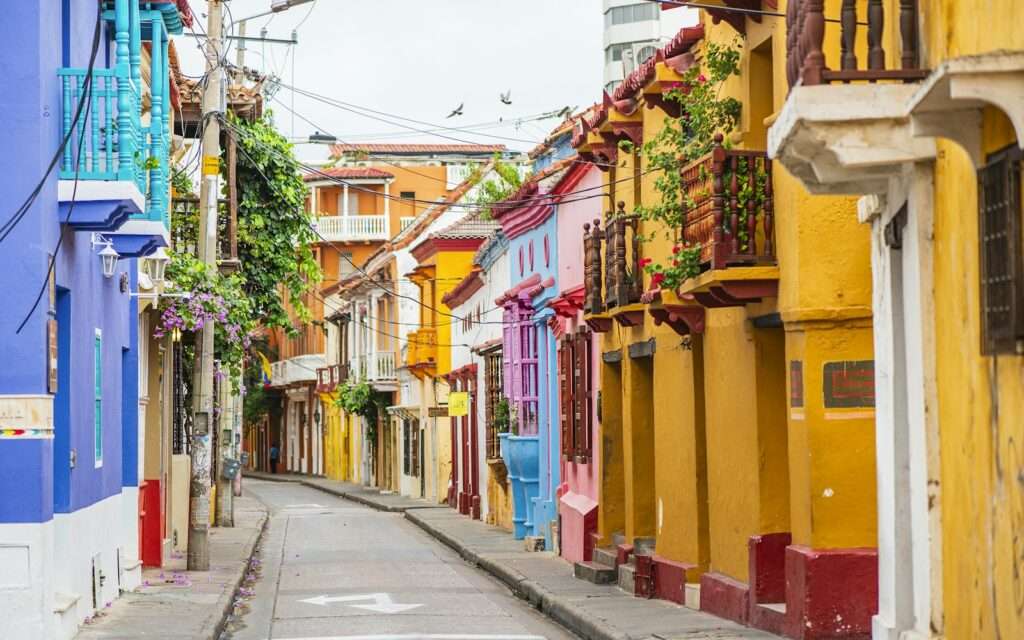
Thermodynamics first: Cartagena runs hot and humid year-round, and the schedule follows from that. Mornings and evenings on foot; the 11-to-4 furnace for museums, long lunches, and hotel pools. The sunset ritual is non-negotiable — the wall walk at the Café del Mar stretch, or the budget version ten meters further along with a street beer, as the whole city takes the evening air.
The circuit: the old town’s balconied lanes, where the door-knocker iconography — lizards for merchants, lions for the military — is the free walking tours’ best material. The Palace of the Inquisition covers the dark-history hour. San Pedro Claver’s church carries the sober register its story demands — the saint of the enslaved, and guides who handle the port’s slave-trade history with a directness the pretty streets need. And the Castillo San Felipe, the greatest Spanish fortress in the Americas, whose tunnel system is the visit: buy tickets on the official fortifications site, and go at opening or after 4 p.m., because the midday stone radiates.
The calibrations: Getsemaní, the once-working-class quarter turned mural-and-hostel district, comes with a respect note — Plaza Trinidad’s evening scene is the city’s best free theater, and it is also residents’ front stoop; the gentrification tension is real, and politeness is the visitor’s contribution. The palenquera women who pose with fruit bowls in the plazas work for a priced tip — agree it before the shutter clicks, on their stated terms. And the one serious nightlife rule of the region: watch your drinks. The tourist core otherwise runs fine on normal awareness, thinning after midnight.
The eating: ceviche carts and arepa-de-huevo fryers by day, and the famous-queue versus neighborhood-spot choice resolves the usual way — the queue is for the name, the neighborhood is for the food. December through April is the dry, windy glory window; the rainy months run afternoon-storm rhythms; and the heat rules above apply all twelve months.
Frequently Asked Questions
Which Rosario Islands tour should you book?
A named beach club with a day pass — transfer, lounger, and lunch as one package — over the generic multi-island lancha loops. Take morning boats, and the overnight unlocks the plankton night swim.
Is Playa Blanca worth it?
The sand is real and so is the vendor circuit — arrive by 9, walk to the ends, and price everything before accepting. The Rosario clubs deliver the same day with management.
What is San Basilio de Palenque?
The first free Black town in the Americas — founded by escaped enslaved people in the 1600s, with its own creole language. Book the community-run tours; it outranks every beach on the coast.
Is the Totumo mud volcano a tourist trap?
It’s a cheerful gimmick that knows it — an hour of absurd buoyancy with a small expected tip at each step. Bring small bills and a sacrificial swimsuit, or skip it without loss.
Is Cartagena safe at night?
The walled city and Getsemaní run fine on standard awareness into the evening; streets thin after midnight, and the one serious rule is watching your drinks. Heat, not crime, is the bigger daily problem.